
Winter Wellness: 7 Immune Support Tips

Winter is here, and it’s a good time to think about immune support as colds, flu, sinus infections, and other respiratory bugs become more common. While we can’t avoid every germ that comes our way, there are plenty of ways to help keep our immune system functioning as it should.
After all, a healthy immune system isn’t about making it work overtime. It’s about giving your body the nutrients, rest, and resources it needs to respond appropriately, maintain balance, and recover when challenges arise. I know we’re all busy, and adding “one more thing” to stay healthy shouldn’t be the straw that breaks the camel’s back. So my aim is to keep these suggestions easy and doable.
Here are seven of my favorite ways to support immune health, naturally. From getting quality sleep and managing stress to nourishing your gut and incorporating some Mother Nature-approved remedies.
1. Get enough quality sleep
If you do only ONE thing for immune support this winter, get enough SLEEP…Sleep is when your body repairs, restores, and rebalances. It’s also an important time for immune regulation. Sleep is my one non-negotiable. And thankfully, my Oura Ring usually shows my sleep score between 85-95%.
Unfortunately, sleep is often one of the first things we sacrifice when life gets busy. But consistently skimping on sleep affects immune function and makes it harder for your body to respond to everyday challenges.
Most adults do best with approximately 7–9 hours of sleep each night, although individual needs vary.
Here are a few ways to improve your sleep quality:
- Turn off the screens. Blue light from phones, computers, and televisions can interfere with your body’s natural production of melatonin, the hormone that helps regulate your sleep-wake cycle. Try turning off electronics at least an hour before bedtime.
- Create a relaxing bedtime routine. A warm bath, gentle stretching, reading, meditation, or a cup of herbal tea can help signal to your body that it’s time to wind down.
- Try a little Mother Nature. Chamomile tea and lavender essential oil are two lovely ways to encourage relaxation. Tart cherry juice and kiwis can also support better sleep.
- Pay attention to your bedtime. In both Traditional Chinese Medicine (TCM) and Ayurveda (the 3,000-year-old holistic medicine system from India), the hours between 10 p.m. and 2 a.m. are considered the most important time for internal metabolic and restorative processes. It’s one reason both ancient wisdom medicine systems encourage getting to bed before 10 p.m.
- Watch evening fluids. Staying hydrated is important, but drinking large amounts of water right before bed may mean extra trips to the bathroom. Aim for no liquids after 7 PM.
2. Stay well hydrated
If you can add one more thing to your winter wellness plan, make it staying well hydrated. Your body is 65% water. So water is essential for just about every function in your body, including circulation, digestion, temperature regulation, and the health of your mucous membranes.
Hydration is especially important during winter months with cooler, drier air and heater use, as well as during air travel. Airplane cabins have very low humidity, and you’re sitting in close proximity to lots of other people’s germs.
A few of my favorite hydration tips:
- Drink water consistently throughout the day rather than trying to catch up all at once.
- Add electrolytes or a small amount of quality sea salt (Amorcito Corazon Mexican sea salt is my favorite) to your water, particularly if you’re sweating or traveling.
- Enjoy herbal teas and mineral-rich broths as additional sources of hydration.
- Pay attention to your body’s thirst signals. Did you know it’s common to feel hungry when you’re actually thirsty?
- Watch your urine color; it should be light yellow (not clear) and not too dark. If you take B vitamins, it may be neon yellow.
3. De-stress and unwind
Stress can sneak up on us, especially during the holidays. Between shopping, gift-giving, family gatherings, travel, and trying to fit everything into an already busy schedule, it’s easy to get caught up in the chaos.
While a little stress isn’t necessarily a bad thing, chronic stress without adequate rest and recovery can take a toll on your health.
Your nervous system, hormones, digestive system, and immune system are all connected. When your body spends too much time in a fight-or-flight state, it can affect sleep, digestion, inflammation, and the way your immune system responds to challenges.
Take a deep breath. Literally!
A few minutes of intentional relaxation each day can make a difference. Try one of these to help calm your nervous system:
- Meditation
- Deep breathing
- Yoga
- Spending time in nature
- Playing with your pets
- Listening to your favorite music and SINGING along
- Taking a break from technology
One of my favorite ways to relax is meditation. My husband and I have practiced meditation twice daily for over 30 years. And we can attest to the many benefits of a regular meditation practice. We often join our meditation teacher, Roger Gabriel, for his live guided morning meditations on Instagram.
If you’re new to meditation, try a guided meditation from the free Insight Timer app. And don’t worry about doing it perfectly. Even five minutes of quiet time can be a wonderful place to start.
A little holiday reminder:
The holidays are about spending time with the people we love, not exhausting ourselves trying to find the perfect gift or create the perfect celebration. In fact, studies show that family and friends would rather spend TIME with you than receive a gift. And who among us actually needs more STUFF these days?
Remember Gandhi’s wise words:
“There is more to life than increasing its speed.”
So slow down. Enjoy the moment. And give yourself permission to say no when you need to.
4. Germ busters
Let’s face it. Germs are everywhere, and winter often means spending more time indoors and in closer proximity to other (sick!) people.
While we can’t live in a bubble (and probably wouldn’t want to!), a few simple habits can help reduce exposure to unwanted germs.
- Wash your hands. This is one of the simplest and most effective ways to reduce spreading germs. Wash for 20-30 seconds, rubbing briskly with soap and water, especially before eating, after using the restroom, and after being in public places.
- Be mindful of what you touch. Shopping carts, door handles, elevator buttons, ATM keypads, pens, and other frequently touched surfaces are full of germs. Try to avoid touching your face, particularly your eyes, nose, and mouth, when you’re out and about.
- Give your indoor air some attention. Respiratory viruses can spread through shared indoor air, particularly in crowded or poorly ventilated spaces. Open windows when practical, improve ventilation, and consider a HEPA air purifier in frequently occupied rooms. We use an AirDoctor.
- Cover your cough. Use a tissue or cough into your elbow rather than your hands. Then wash your hands.
- Stay home when you’re sick. Give your body time to rest and recover, and help avoid passing whatever you’ve picked up to everyone else.
- Choose your hand products wisely. I’m not a fan of using antibacterial soaps and harsh chemical products. Did you know they can disrupt the natural balance of microbes on your skin and contribute to unnecessary chemical exposure? A simple soap-and-water routine is generally sufficient for everyday handwashing.
When I’m out and about, I also carry organic hand spray. And to ensure I know what’s in it, I make my own. Here’s my recipe:

DIY Organic Hand Spray
Ingredients
- 1/3 cup Isopropyl alcohol (minimum 60%)
- 1 tsp Witch hazel
- 1/2 tsp Glycerine
- 8-10 drops Neal's Yard Remedies Organic Defense Essential Oil blend
Instructions
- Mix all ingredients together in a glass mason jar, or other glass container
- I usually make 4x-8x the recipe or even more.
- Fill small spray bottles for your purse, pocket, backpack or travel bag.
- Keep any extra in the jar for refills.
A little air travel health tip
Your mucous membranes are part of your body’s first line of defense. They line your respiratory and digestive tracts and help trap unwanted particles and microorganisms before they can take hold.
However, when you’re dehydrated (which can easily happen with drier winter air and air travel), the mucosal lining of your nasal passages can get dried out, crack, and let germs in. No bueno!
Besides drinking plenty of water with electrolytes before, during, and after a flight, I also use Xlear nasal spray, and I coat my nasal mucosa with Lemongrass Spa’s Healing Elements Balm before and during every flight.
Remember, you don’t need to fear every germ you encounter. Your body has an amazing defense system. The goal is to reduce unnecessary exposure while supporting the systems that help keep you well.
5. Build a healthy gut
If there’s one area of health I could encourage everyone to pay more attention to, it’s gut health!
Your digestive system does so much more than break down food. It’s home to trillions of microorganisms that make up your gut microbiome, and it plays a major role in immune support, inflammation, nutrient absorption, and even brain health.
A significant portion (about 85%) of your immune tissue is associated with your gastrointestinal tract. This makes sense, since your digestive system is one of the main places your body encounters the outside world through the food and beverages you consume.
Your gut microbiome also communicates constantly with your immune system, helping it distinguish between harmless substances and those that may require a response.
It’s not simply about having more good bacteria. It’s about having a healthy, diverse, balanced community of microorganisms.
One of the most interesting areas of gut research involves short-chain fatty acids (SCFAs). These beneficial compounds are produced when certain gut bacteria ferment dietary fiber and other fermentable carbohydrates. Three of the best-known short-chain fatty acids are acetate, propionate, and butyrate. (In fact, they are so important that I recommend my coaching clients get a functional wellness stool test to check their levels.)
Butyrate deserves a special mention. It’s an important energy source for the cells lining your colon and helps maintain the integrity of the intestinal barrier. It also helps regulate immune activity and keep inflammatory responses in check.
In other words, your gut bacteria aren’t simply hanging out in your digestive tract. They’re producing compounds that help nourish your intestinal lining and communicate with your immune system throughout the body.
When the gut microbiome becomes imbalanced (also called gut dysbiosis), it can affect digestion, intestinal barrier function, and immune regulation too.
If you’ve ever experienced bloating, gas, constipation, diarrhea, reflux, or other digestive complaints, you know how much your gut can influence how you feel. And this influences your immune system too.
So, how do you support a healthy gut?
- Eat a variety of whole foods that nourish beneficial gut bacteria.
- Include fiber-rich foods and resistant starches as tolerated.
- Incorporate fermented foods if they agree with your digestive system.
- Get adequate hydration.
- Avoid ultra-processed foods (not only are they “empty calories”; they actually contain synthetic ingredients that damage your gut microbiome and intestinal lining)
- Be mindful of unnecessary antibiotic use, which can disrupt the gut microbiome. Herbal antimicrobials have often been shown to be as beneficial as antibiotics.
- Make time for stress management and quality sleep, both of which influence gut health.
- If you need a hand with any of this, book a free 30-minute call; this is one way I help my clients.
It’s also important to recognize that not every food works for every body.
Some people have difficulty digesting certain foods or may experience symptoms related to food sensitivities, intolerances, or other digestive issues. Common triggers can include dairy, gluten-containing grains, eggs, soy, corn, legumes, nuts, and certain other foods.
If you suspect a food is contributing to your symptoms, keeping a food and mood journal can be incredibly helpful. Look for patterns between what you eat and how you feel.
A structured elimination and reintroduction process may also help identify potential triggers. However, I don’t recommend eliminating a long list of foods without a good reason and working with a functional nutrition coach. The goal is to identify what works for your unique body while maintaining a nutrient-rich, varied diet.
Remember, gut health is foundational to overall wellness. If your digestion isn’t working well, you may not be breaking down and absorbing all the nutrients your body needs to support your immune system, no matter how healthy your diet looks on paper.
6. Whole foods and spices for immune support
Mother Nature has provided an incredible variety of foods that contain vitamins, minerals, antioxidants, polyphenols, and other beneficial compounds that support normal immune function.
A nutrient-rich diet is a foundation of good health. Rather than focusing on one magical food or supplement, focus on the overall quality and variety of what you eat.
Here are a few of my favorite winter wellness ingredients:
- Citrus fruits: Oranges, lemons, limes, and grapefruit provide vitamin C and other beneficial plant compounds. Vitamin C plays several important roles in immune function and antioxidant protection.
- Berries: Blueberries, blackberries, raspberries, and other berries contain polyphenols and antioxidants that help protect cells from oxidative stress.
- Garlic: Garlic has been used medicinally for centuries. When you chop or crush fresh garlic, an enzyme called alliinase helps convert alliin into allicin, one of garlic’s best-known sulfur compounds. Let chopped garlic sit for 10-15 minutes before using it to allow this process to occur, and reap all the health benefits.
- Honey: Raw organic honey has traditionally been used to soothe sore throats and coughs. It contains antioxidant and antimicrobial properties. Eating local honey whenever possible benefits your immune system the most. Also, avoid processed “honey bear”-type honeys, which have been heated and pasteurized, removing many beneficial properties. If the label doesn’t specifically say “raw” or “unpasteurized”, it’s likely been heated. Costco honey is pasteurized.
- Cloves: These little spice powerhouses contain eugenol, a compound with antioxidant and antimicrobial properties. Add a few whole cloves to herbal tea or warm water for a delicious, warming drink. During cold-flu season, I often put 3-5 whole cloves in my water bottle each day to flavor my water with a powerhouse of antimicrobials.
- Ginger and turmeric: Both have a long history of use in traditional medicine. Ginger contains gingerols, while turmeric contains curcuminoids, including curcumin. Researchers have studied these compounds for their antioxidant and inflammation-modulating properties.
- Black pepper: Black pepper contains piperine, which has been studied for its effects on the absorption and metabolism of certain compounds, including curcumin.
And don’t forget warming spices like cinnamon and cardamom. They’re wonderful additions to winter teas and meals. Healing Spices is one of my go-to books, sharing the medicinal benefits of all the spices.
Note: Although people often like peppermint around the holidays, it’s considered a cooling spice and can cool down the body. According to Ayurvedic wellness, it’s best enjoyed in the summer rather than the winter. That’s not to say you can’t have peppermint in the winter, but be aware that it may make you feel cool when you’re trying to warm up.
Sugar and processed foods suppress the immune system
I’m not suggesting you can never enjoy a cookie or holiday treat. Life is too short for that! But a diet that regularly includes large amounts of refined sugar and highly processed foods can crowd out the nutrient-dense foods your body needs. And sugar suppresses the immune system.
Research has shown that dietary patterns high in refined carbohydrates and processed foods can influence inflammation and metabolic health. A 2018 study published in the journal Cell found that a Western-style diet high in fat and sugar could rapidly alter immune responses, even after returning to a healthier diet.
So focus on real, whole foods most of the time. Enjoy an occasional treat, but don’t let it become the foundation of your diet during the “sugar holidays.”
Some research suggests the cold-and-flu season is really precipitated by sugar suppressing the immune system, from Halloween through Thanksgiving and Christmas to New Year’s (alcohol is a form of sugar), on to Valentine’s Day and Easter. People eat much more sugar between October and March than in the warmer months, when there are fewer holidays.
7. Herbal remedies for immune support
Herbs have been used for centuries to support wellness, and many are now being studied for their effects on immune function, inflammation, and respiratory health.
Here are a few of my favorites.
- Elderberry – Elderberry has a long history of traditional use for seasonal wellness, particularly during cold and flu season. It contains anthocyanins and other polyphenols with antioxidant activity. Some clinical research suggests elderberry may help reduce the duration or severity of certain upper respiratory symptoms. I like Nature’s Way Sambucus Syrup.
- Echinacea – Echinacea is another traditional herbal remedy used to support immune function, particularly during seasonal challenges. Research shows effects on immune signaling and upper respiratory infections. One product I’ve used is Natural Factors Anti-V Formula. It contains ECHINAMIDE®, a standardized fresh echinacea extract, along with lomatium, astragalus, reishi mushroom, and licorice root. I like that it combines several traditionally used botanicals rather than relying on a single ingredient.
- Microbiome Labs Epic Defense Probiotic – Another go-to winter supplement for immune support, respiratory and nasal comfort, and gut-driven mucosal defense. It combines clinically studied probiotics (Lactobacillus rhamnosus LGG and Bifidobacterium lactis BB-12), a yeast-derived postbiotic (EpiCor), and chelated zinc to strengthen immune cell function and maintain a balanced inflammatory response.
- Mycology and Mushrooms – I personally take this blend of 17 mushrooms, MyCommunity Immune Support from Host Defense, and swear by it to help keep me healthy in the winter.
- Propolis – Another compound made by bees (a “sticky glue” to hold their hives together) is very beneficial for sore throats and colds. It contains over 300 bioactive compounds—mostly antioxidants like flavonoids and polyphenols—that give it antimicrobial, anti-inflammatory, and wound-healing properties
- Xlear Nasal Spray – One of my favorite products for nasal and sinus health. Xlear contains xylitol, which helps moisturize nasal passages and may help reduce the ability of certain microorganisms to adhere to nasal tissues. I personally had it take out a sinus infection that two rounds of antibiotics wouldn’t touch. Xlealr to the rescue. This isn’t just a personal anecdote. Research has explored xylitol nasal irrigation for chronic sinusitis, with studies showing improvements in some sinus symptoms compared with saline irrigation.
- Zinc and Vitamin C – These are two nutrients worth paying attention to for immune health. Zinc supports numerous immune functions, and vitamin C* supports normal immune cell activity and antioxidant protection.
* Note: When you supplement with vitamin C, the body can absorb only about 250 mg at a time. So if you’re taking a 1,000 mg vitamin C capsule, you’re eliminating 3/4 of it, wasting money, and making for expensive urine. Vitamin C also has a very short half-life. So that 250 mg dose will be completely used up within about 3 hours. If you’re sick, it’s far more effective to take smaller doses throughout the day, rather than mega-doses.
A note about supplements: More isn’t always better, and herbal products can interact with medications or may not be appropriate for everyone. Choose quality products, read labels carefully, and consider your individual health circumstances.
I’ve put together my favorite Winter Wellness Immune Support supplements from Fullscript, where you’ll always save 20%.
My favorite winter wellness recipes
Here are three simple recipes using some of the ingredients we’ve talked about. They’re easy to make and a lovely way to incorporate traditional foods and herbs into your winter routine.

Raw Garlic & Honey
Ingredients
- 1-2 cloves Fresh garlic, finely chopped
- 1 TBSP Raw organic honey, local if possible
Instructions
- Chop the garlic and allow it to sit for 10–15 minutes. This gives the alliinase enzyme time to form.
- Stir the garlic into the honey.
- Enjoy by the spoonful.
- It's simple, pungent, and definitely not for the faint of heart!
- Note: You can also fill a pint or quart Mason jar, which will keep for years. Add chopped garlic to fill the jar halfway. Pour raw honey over the garlic to fill the jar. I recommend using a plastic Mason jar lid, as the metal lids can corrode over years. If you feel like you're getting sick, you'll have ready-made honey-garlic to take by the teaspoon as needed.

Ginger Turmeric Elixir
Ingredients
- 1¼ cups Water
- 1-2 TBSP Fresh ginger, sliced or grated
- ½-1 tsp Fresh turmeric, grated, or ¼ teaspoon ground turmeric
- 1/2 Lemon, juiced
- 1 pinch Freshly ground black pepper
- 1 pinch Cayenne optional
- Raw honey, to taste
Instructions
- Add the water, ginger, and turmeric to a small saucepan.
- Bring to a gentle simmer and cook for 10–15 minutes.
- Strain into a mug.
- Add lemon juice, black pepper, and honey to taste.
- Enjoy warm!
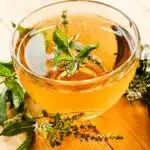
Cold Remedy Herbal Tea
Ingredients
- Dried Elderflower*
- Dried Yarrow flower*
- Dried Peppermint leaf*
- *You can find these dried herbs at your local herb store…
- Or online at MountainRoseHerbs.com
Instructions
- Combine equal amounts of the dried herbs (eg: 1 oz each) and store in an airtight container.
- Add 1 tablespoon of the herbal blend to 8 ounces of hot water.
- Cover and steep for 10–15 minutes.
- Strain and enjoy.
- Drink several cups throughout the day when sick with cold or flu.
These herbs have a long history of traditional use and can be very beneficial for a cold or flu.
Small, consistent habits help balance your body
Supporting your immune health isn’t about one magic supplement, one superfood, or one quick fix. It’s about the small, consistent habits that help your body stay balanced and function at its best.
Get enough quality sleep. Stay well hydrated. Manage your stress. Nourish your gut. Eat real food. Enjoy the healing properties of herbs and spices. And remember to make time for a little fun and laughter along the way!
Your body is pretty amazing. Give Mother Nature a helping hand, and she’ll do her best to return the favor.
Resources
- Sleep and Immune Function
- Meditation and its effects on health
- The Gut Microbiome and Immune System: Short-chain fatty acids and immune regulation
- FDA: Food Allergies
- SugarScience: Added sugar and health
- Western diet and immune system response – 2018 Cell study
- Xylitol nasal irrigation and chronic rhinosinusitis
- Elderberry and upper respiratory health
Please note: I am not a medical doctor. The information in this article is intended for educational and informational purposes only and is not medical advice. Consult your healthcare provider with questions about your individual health needs, medications, or supplements. Statements about foods and supplements have not been evaluated by the FDA and are not intended to diagnose, treat, cure, or prevent disease.
